
Floor looks dry but the room still smells damp?
That usually means water is still inside the materials. Drywall, wall plates, insulation and subfloor soak up water and release it slowly. The trade name for removing it is structural drying, and structural drying and dehumidification in Cary, IL is what this page explains.
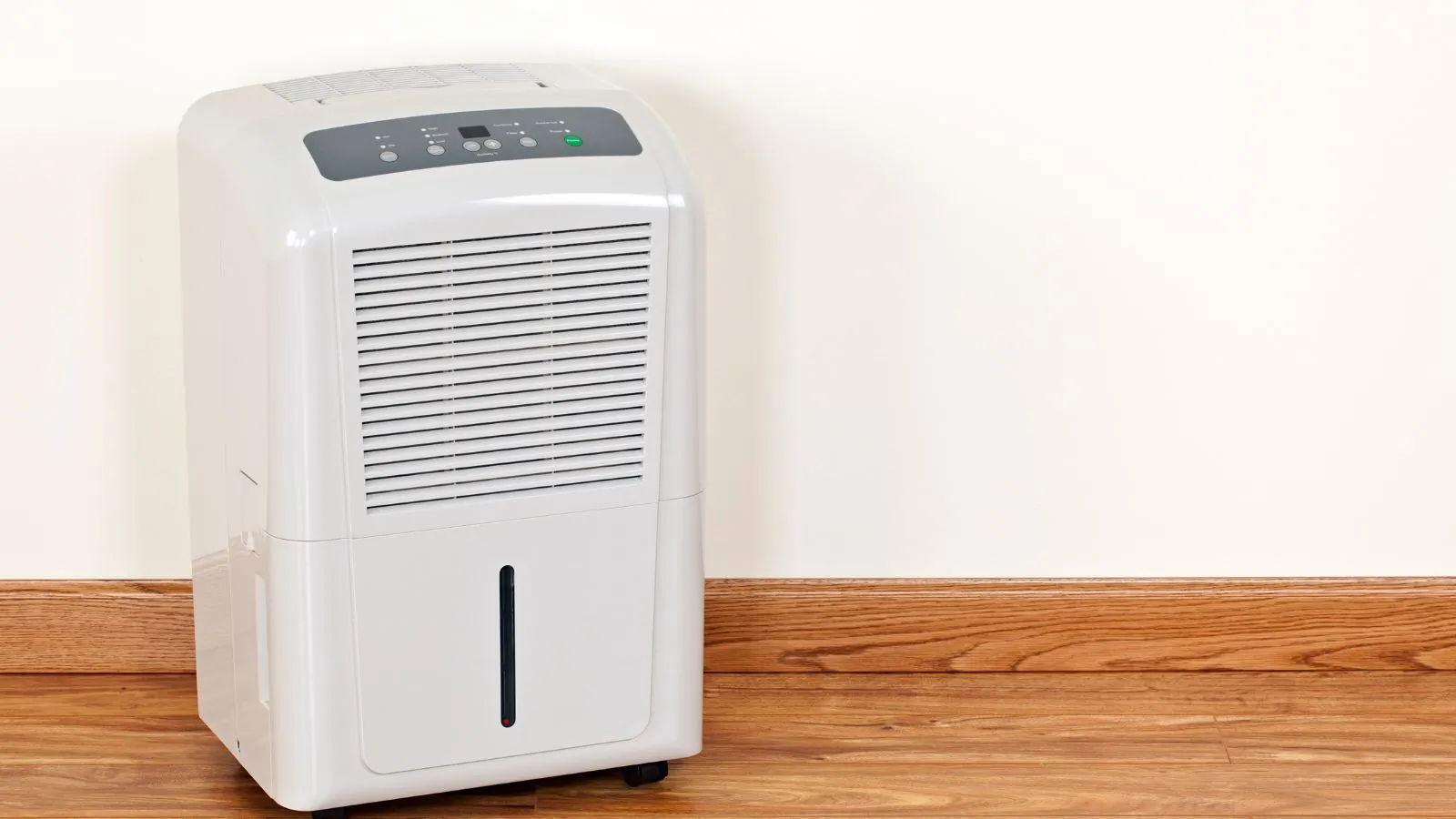
A dehumidifier for water damage is not the small unit sold for a damp basement. Restoration equipment moves far more air and pulls far more water, and it is placed according to moisture readings, not guesswork.
Water mitigation: what the term covers
Water mitigation is the work that stops a loss from getting worse: extracting standing water, removing what cannot be dried, and drying what can. It comes before repair. The water extraction step removes liquid water, and drying deals with what has been absorbed.
Callers often say they just need it dried up and then some drywall fixed. That is a fair summary. Mitigation is the drying half, and repair is the rebuilding half.
Moisture mapping comes first
Before any equipment is set, the wet area is mapped. A pinless moisture meter scans walls and floors without marking them. A pin meter confirms readings in wood and behind baseboards. A thermal imaging camera shows cooler, evaporating surfaces so hidden wet areas stand out.
A hygrometer records air temperature and relative humidity inside the wet rooms, in a dry room and outdoors. Those numbers set the drying goal. The crew also takes readings from unaffected parts of the house to learn what dry looks like for your materials.
The result is a sketch of each room with readings marked on it. That map decides where baseboards come off, which cavities are vented and how many machines the job needs.
The equipment and what each piece does
| Equipment | What it does | Where it is used |
|---|---|---|
| Air movers | Push fast, dry air across wet surfaces to speed evaporation | Along wet walls and across floors |
| LGR dehumidifiers | Pull water vapor out of the air and pump it to a drain | One or more per drying area |
| Desiccant dehumidifiers | Dry air chemically, useful in cool spaces | Cold basements and winter losses |
| Wall cavity and floor drying systems | Force air into cavities or draw it through flooring | Behind cabinets, under hardwood |
| Moisture meters and hygrometers | Measure progress every day | Every wet material and the room air |
Air movers without dehumidifiers only move the water into the air, where it settles into other materials. The two work as a pair, and the room is kept closed so the equipment controls the conditions.
How long drying takes
Most clean-water losses dry in about three to five days once equipment is running. Thick materials take longer. Plaster, hardwood, wet framing and concrete can need a week or more.
Weather affects it. A Cary summer is humid, and National Weather Service normals show June as the wettest month at Rockford with 5.23 inches of rain. In that season open windows work against the equipment. In January, with normal lows in the teens, a cold room slows evaporation, so the heat has to stay on.
The crew returns each day, takes readings, moves equipment and removes machines as areas reach their goal. Drying ends when the numbers say so. You receive the readings log at the end.
Want someone to check whether a wall is actually dry? Call and we will explain what a moisture inspection involves.
☎ Call (833) 521-1033Dry in place or remove
Drying in place keeps more of your home intact and is the first choice for clean water caught early. Removal is the better call when materials have lost strength, when the water was contaminated, or when insulation is holding water against framing.
Each material has its own page with the details: wall and drywall water damage repair for gypsum board and baseboards, hardwood floor water damage repair for cupped boards, and carpet water damage restoration for carpet and pad.
Work follows the published industry standard, ANSI/IICRC S500. You can ask any restoration company whether its crews work to that standard and whether you will receive the daily readings.
What affects the cost
- Size of the wet area shown by the moisture map.
- Materials. Drywall dries faster than hardwood or concrete.
- Number of machines and days on site.
- Water category. Contaminated water means more removal.
- Access. Cabinets, built-ins and tight cavities take extra setup.
Homeowners policies often cover drying after a sudden and accidental loss, and often do not cover damage from a slow leak. Check your policy or ask your insurer. For your real number, call (833) 521-1033.
Drying services in Cary and Fox River Grove
We set up and monitor drying equipment throughout Cary, IL 60013, including basements in Cambria and Greenfields, and in Fox River Grove, 60021.
Structural Drying: Questions From Cary Homeowners
Why does my wall still feel damp a week after a leak?
Drywall and the wood behind it hold water much longer than a floor surface does. Without airflow into the cavity and dehumidification, a wall can stay wet for weeks. A meter reading will confirm it.
Can I rent air movers and a dehumidifier from you?
No. The equipment is used on jobs our crews set up and monitor, and it is not rented out. The daily readings and adjustments are what make drying work.
Is it an emergency?
Drying is urgent in the first two days after any leak, since materials are easier to keep when drying starts early. The phone line is open 24/7 if you want it assessed now.
Will the equipment be loud, and can I stay in the house?
It is noisy, about like several fans on high, and the rooms get warm. Most people stay home during a clean-water job. Keep doors to the drying area closed and leave the machines running.