
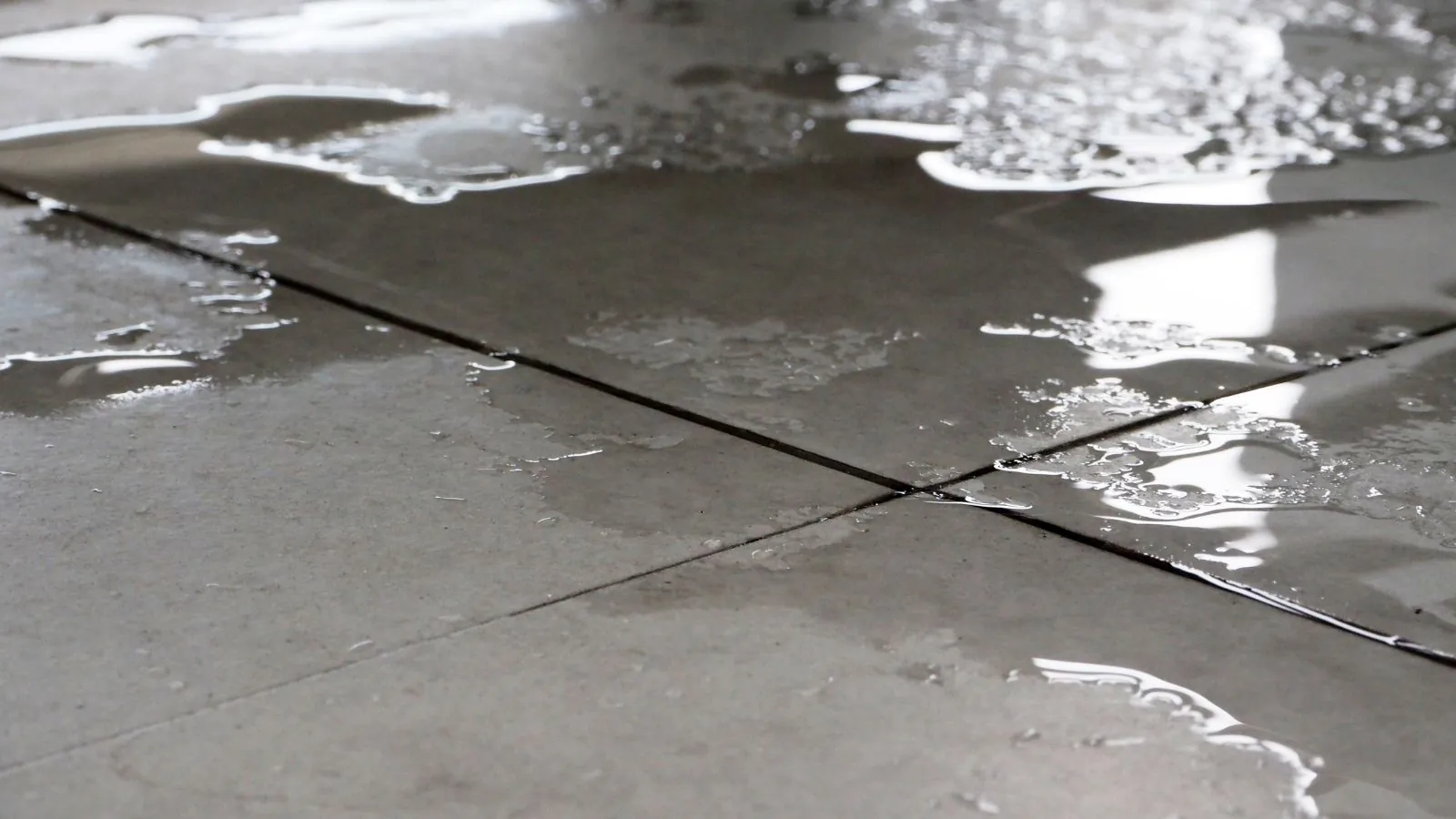
Commercial water damage restoration in Cary, IL covers water losses in shops, offices, restaurants, medical suites, warehouses and multi-unit residential buildings. The drying science is the same as in a house. What differs is the scale, the number of people affected and the cost of every closed day. If water is on your floor now, call. The line is open 24/7.
Shut off the water to the affected riser or the building main if you know where it is. Keep staff and customers out of wet areas, especially where water is near electrical gear. If a sprinkler head has discharged, call the fire department line for your alarm company as well.
Commercial water emergency: the first hour
- Stop the source. Know where the main, the riser valves and the sprinkler control valve are.
- Protect people. Block off wet floors and anything under a wet ceiling.
- Protect power and data. Do not touch wet panels or server equipment. Call the utility or an electrician.
- Move stock and records off the floor if it is safe.
- Tell the landlord or the tenants, since shared walls and ceilings spread water between units.
Commercial property in Cary
Much of the village's commercial space lines US 14, Northwest Highway, with further storefronts downtown near the Cary Metra station and service businesses along Three Oaks Road. Many are single-story buildings with flat or low-slope roofs and rooftop HVAC, which is where a lot of commercial water enters.
Drainage is a known issue on part of that corridor. A state flood study from 2019 flags the pipe that carries Cary Creek beneath the highway and the tracks as too small. For an owner there, that is a reason to check floor-level stock and door thresholds before a heavy rain.
The village enforces the 2021 International Building Code with local amendments for commercial and multi-family buildings. Rebuild work after a loss may need a permit, so ask the Community Development Department before walls are closed.
How a commercial loss is handled
The first visit is an assessment with the owner or manager. Moisture meters and thermal imaging define the wet area, and the crew agrees on priorities with you: which rooms must reopen first, what can be relocated, what hours work can run.
Extraction follows, using truck-mounted units and pumps sized for the area. Details of that step are on the water extraction page. Commercial carpet tile, glue-down carpet and raised floors each need a different approach.
Drying is planned around the business. Air movers and LGR or desiccant dehumidifiers can be zoned with plastic containment so part of the building stays open. Readings are logged daily and shared with you and your adjuster.
| Building type | Common cause | Main concern |
|---|---|---|
| Retail or restaurant | Roof drain, supply line, kitchen equipment | Reopening quickly, stock and food safety |
| Office or medical suite | Restroom supply line, HVAC condensate | Records, equipment, tenant disruption |
| Multi-unit residential | Unit above leaking to units below | Several households, shared walls and ceilings |
| Warehouse or shop | Sprinkler discharge, overhead door flooding | Inventory and racking, large open slab |
Managing a property and need eyes on a loss? Call and we will explain how the first assessment works.
☎ Call (833) 521-1033Options and trade-offs for a business
The quickest path is not always the least costly one. Drying in place keeps finishes but takes days of equipment. Cutting out wet drywall is faster to dry but adds rebuild time. The right answer depends on what a closed day costs you, and the crew will lay out both.
Water that travelled between floors needs both levels checked. Overhead damage is handled as described under ceiling water damage repair. If the water came from a drain or toilet backup, it is a contamination job covered on the sewage backup cleanup page.
A vacant property with a large loss is its own case. If a building sat with water running, do not restore power or water until it has been assessed.
What affects the cost
- Square footage and number of units or suites.
- Water category and how long it sat.
- Work hours. After-hours and phased work to keep you open.
- Contents. Moving, protecting or disposing of stock and furniture.
- Rebuild scope and any permit requirements.
Commercial property policies differ from homeowners policies, and coverage for water, sewer backup and business interruption depends on the form you bought. Ask your agent or insurer. We supply photos, moisture logs and an itemized scope to support the claim.
Serving businesses in Cary and Fox River Grove
We respond to commercial losses across Cary, IL 60013 and in Fox River Grove, 60021, along the same Route 14 corridor.
Commercial Water Damage: Questions From Cary Homeowners
Do you handle commercial water damage emergencies at night or on weekends in Cary?
Yes, including holidays. What speeds things up on a commercial job is a person on site with keys and the authority to approve work, so line that up while you phone.
Can you work around our business hours?
Often, yes. Drying equipment runs continuously, but demolition, extraction and monitoring can frequently be scheduled before opening or after closing. Tell the crew what you need.
We manage a multi-unit building. Can you handle several units at once?
Yes. Losses that cross units are common. The crew maps each unit, documents them separately and coordinates access with you and the residents.
Do you work with our insurance adjuster?
We provide documentation: photos, moisture readings and an itemized scope. Coverage decisions and payment belong to you and your insurer.