
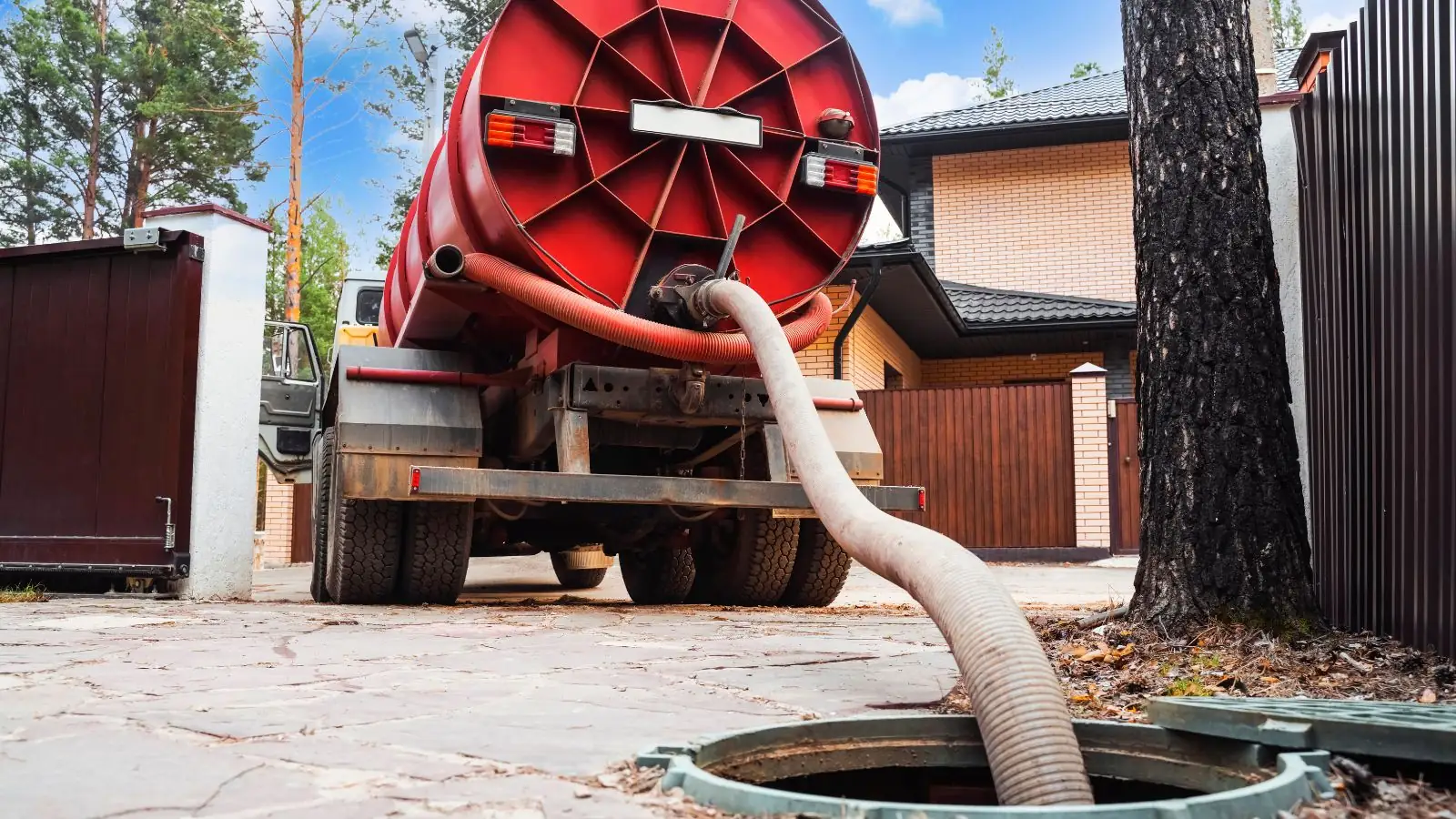
Dark, smelly water coming up from a floor drain?
That is a sewer backup, and the water is what the industry calls Category 3 or black water. Sewage backup cleanup in Cary, IL means removing that water, taking out everything porous it touched, and cleaning and disinfecting what remains. The phone line is open 24/7.
Stay out of the room. Stop running water, flushing toilets and using the washer, since every gallon you send down may come back up. Keep children and pets away, and do not run the furnace fan if the backup is near a return vent.
Sewage backup: what to do first
- Keep everyone out of the affected area. Do not walk through it and then through the house.
- Stop all water use in the building.
- If water is near the electrical panel, outlets or appliances, stay away and call the utility or 911.
- Call the Village of Cary to report a possible main line blockage. If the main is clear, call a plumber for your own line.
- Call us for the cleanup. Do not use a household vacuum or fans on sewage.
Fans spread contamination into the air, and a shop vacuum becomes contaminated itself. Bleach poured over carpet does not make it safe to keep.
Why backups happen in Cary
The village operates about 75 miles of sewers and 12 sewage pumping stations feeding its treatment plant, which treats roughly 2 million gallons a day before discharging to the Fox River. A blockage or a surcharge in that system during heavy rain can push flow back toward the bottom drain on a street.
More often the problem is on private property. Tree roots, grease or a collapsed section in the home's own lateral block the line, and the next load of laundry comes up the basement floor drain. A plumber with a camera can tell which side of the property line the blockage is on.
Heavy rain makes both more likely. Cary observers measured 3.29 inches in 24 hours on July 22, 2017, and storms of that size are when floor drains and basement bathrooms give trouble.
How sewage is cleaned up
Technicians wear protective suits, gloves and respirators. The area is closed off so contamination is not tracked through the home, and an air scrubber with HEPA filtration runs during the work.
Liquid and solids are extracted and disposed of properly. Carpet, pad, drywall, insulation, particleboard furniture and cardboard boxes that got wet are removed. The ANSI/IICRC S500 standard calls for porous materials contaminated by Category 3 water to be discarded.
Concrete, framing and other hard surfaces are washed, treated with an antimicrobial cleaner and rinsed. Only then does drying start, with air movers and LGR dehumidifiers and daily moisture readings.
| Item | Keep or discard | Reason |
|---|---|---|
| Carpet and pad | Discard | Porous and cannot be reliably cleaned |
| Drywall and insulation that got wet | Discard | Absorbs contamination into the core |
| Concrete floor and block walls | Keep | Can be cleaned, disinfected and dried |
| Solid wood framing | Usually keep | Cleaned, treated and dried |
| Upholstered furniture and mattresses | Discard | Cannot be decontaminated |
Not sure who to call first? Call us and we will tell you what we handle and what belongs to a plumber or the village.
☎ Call (833) 521-1033What we do and do not do
We do the cleanup, sanitizing, drying and the repairs afterward. We do not clear the sewer line or repair it. That is a plumber's work, and it has to be done before the space is rebuilt.
If the water in your lower level is clear and came from a failed sump pump or seepage, that is a different job covered under basement water damage cleanup. River or surface water coming in from outside is handled as flood damage cleanup, and it is also treated as contaminated.
After removal and drying, walls and floors are rebuilt. Drywall work is described on the wall and drywall water damage repair page.
Cost factors and insurance
- Area affected and how far the sewage spread.
- Finished or unfinished space. Finished basements mean more removal.
- Contents that must be removed and discarded.
- Time. Sewage that sat for days soaks deeper.
- Rebuild scope after sanitizing and drying.
The Illinois Department of Insurance treats sewer backup and sump overflow as optional cover that costs extra, and names it among the usual exclusions when that option was not bought. Check your policy or ask your insurer whether you have it. We document the loss with photos and an itemized scope.
Serving Cary and nearby towns
We respond to sewage backups across Cary, IL 60013 and in Fox River Grove, 60021, where the state's 2019 Fox River report says the sanitary lift stations are due for an overhaul because of backups.
Sewage Backup Cleanup: Questions From Cary Homeowners
Do you handle sewage backup emergencies at night or on weekends in Cary?
Yes, at any hour. A backup is not something to leave until Monday. While a crew is on its way to you, nobody should enter the room and no fixture in the house should be run.
Why is black water coming up my basement drain when I run the washer?
Your main drain line is probably blocked downstream of that floor drain. Water from the washer has nowhere to go, so it rises at the first low opening. Stop using water and have the line checked.
Can I clean up a small sewage spill myself?
A small spill on a hard, non-porous floor can be cleaned with protective gear and disinfectant. Anything that reached carpet, drywall or stored items, or covers more than a small area, should be handled professionally.
Who is responsible, me or the village?
It depends on where the blockage is. The village maintains the public main, and owners are generally responsible for the lateral serving their property. Ask the Village of Cary to check the main, and have a plumber camera your line.