
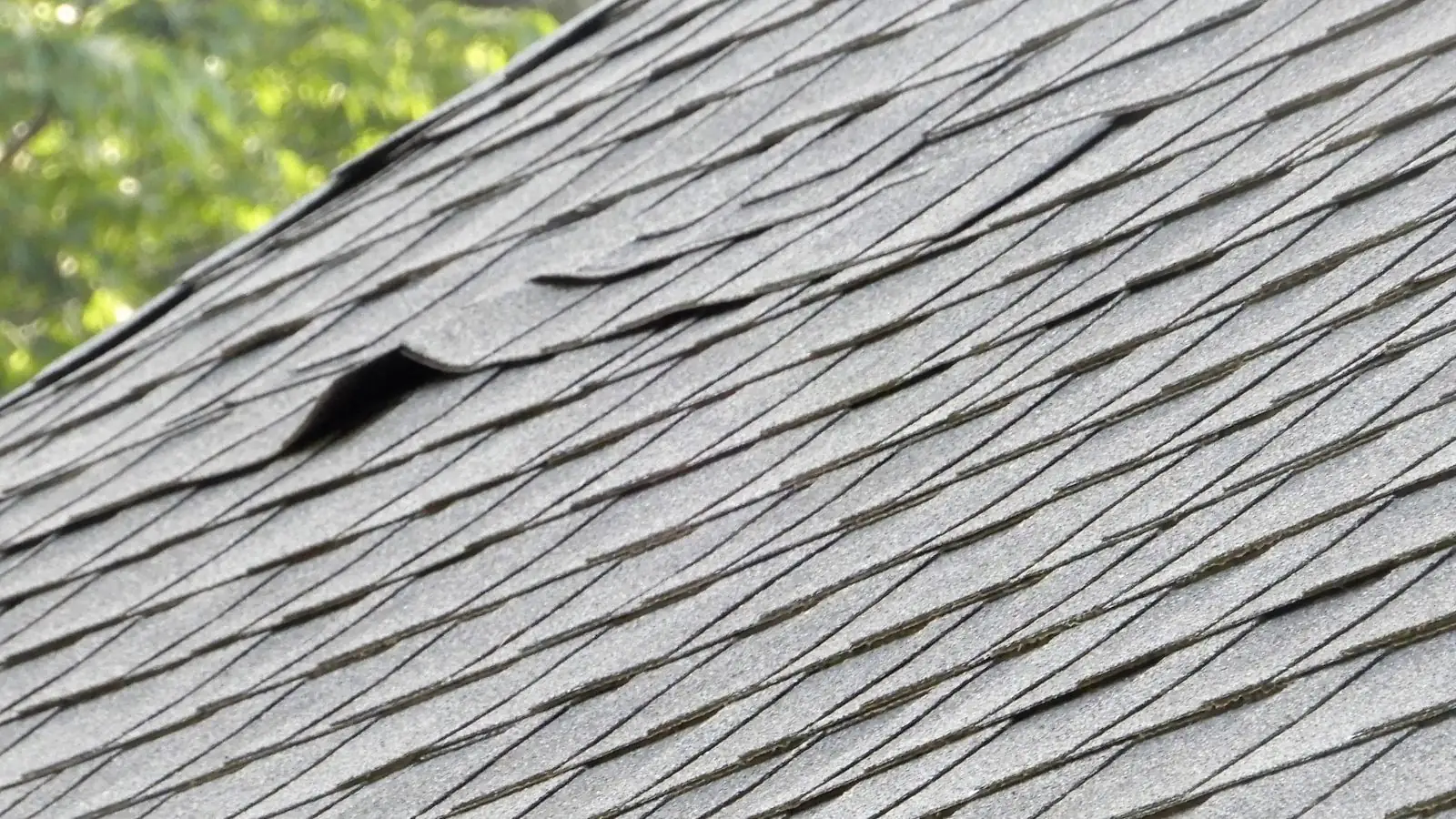
What a Cary storm season looks like
The heavy rain here comes in late spring and summer, often in short, intense bursts. A storm can drop several inches in a day, and two storms a week apart do more harm than either alone, since the ground is already full when the second arrives.
Preparation follows the path of the water: roof, gutters, ground, foundation, sump, then the inside of the house. Work through it in that order.
What the record shows for Cary
The National Weather Service's summary of the July 11 and 12, 2017 storms lists two Cary observers with two-day rainfall totals of 3.72 and 3.39 inches, and a trained spotter's report of three-quarter-inch hail in Cary on the morning of the 12th. Its summary of the storms that followed lists 2.54 inches at Cary on July 20 and 3.29 inches on July 22. That is four soaking events in under two weeks.
The Village of Cary's flooding page explains what the public system can take. Storm sewers are designed for a 10-year storm, which has a 10 percent chance of occurring in a given year, and detention ponds are sized for a 100-year rainfall, a 1 percent chance. The village asks residents to help by keeping storm grates in the street clear of leaves and debris, and to contact the Public Works Department about standing water.
Put together, those two facts say something useful. A storm bigger than the sewer design is not a freak event, and during one, water will stand in the street for a while. Your own house needs to shed water without help from the storm drain. Sources: the weather service's storm summaries for those dates and Cary's flooding page.
Roof and attic
- Look at the roof from the ground with binoculars. Note lifted, curled or missing shingles.
- Check flashing around chimneys, vents and where a lower roof meets a wall.
- After any hail, have the roof inspected even if nothing leaks. Bruised shingles fail later.
- In the attic, look for daylight, stains on the underside of the decking and damp insulation.
- Trim branches that overhang or touch the roof.
Roof repairs belong to a roofer. If rain does get in, the interior drying is described on our storm water damage cleanup page.
Gutters, downspouts and grading
Gutters carry a large volume of water off the roof. Clogged, they dump it at the foundation. Clean them in spring and again after the trees finish dropping seeds.
- Make sure every downspout has an extension that discharges several feet from the house.
- Check that soil slopes away from the foundation on all sides. Add soil where it has settled.
- Keep window wells clear of leaves and consider covers.
- Clear the street grate nearest your house, as the village asks.
- Look at where your neighbor's downspouts and your own swales send water.
The sump pump
If your home has a sump pit, the pump is the most important machine in the house during a storm. It is also the one most likely to fail when it is needed, since storms cut power.
- Pour a bucket of water into the pit. The pump should start, empty the pit and shut off.
- Check that the discharge pipe is connected, clear and sending water away from the foundation.
- Make sure the pump is on its own outlet and the cord is secure.
- Consider a battery backup or a water-powered backup, and test it too.
- Ask a plumber how old the pump is. Pumps wear out.
Sump pump replacement is plumbing work. Cleanup after a pump failure is covered on our basement water damage cleanup page.
Inside the house
- Move valuables, documents and electronics off the basement floor, onto shelves.
- Store items in plastic bins, not cardboard.
- Know where the main water shutoff and the electrical panel are, and label them.
- Keep floor drains clear and know where they are.
- Take a set of pictures of every room and of the furnace and water heater area.
Insurance, before the storm
Read your policy while the sky is clear. As a general pattern, wind and hail losses are the ones home policies respond to, backups through drains or sump pits call for an endorsement, and flood is a separate policy. The Illinois Department of Insurance is blunt that flood is outside an ordinary home policy. Check your policy or ask your insurer.
| Question for your agent | Why it matters |
|---|---|
| Is backup through drains or the sump pit covered, and up to what amount? | Often excluded unless added |
| What is my wind and hail deductible? | It may differ from your standard deductible |
| Do I need flood coverage? | Not part of a standard home policy |
| Are finished basement walls, flooring and contents covered? | Limits often apply below grade |
| How quickly must I report a loss? | Policies set notice requirements |
Check the FEMA flood map for your address so that conversation is based on your actual lot.
The day of the storm
- Stay inside and away from windows during high wind.
- Do not go into a basement with standing water if power may be on.
- If water is coming in, catch it, move belongings and take photos.
- Report downed lines to the utility and stay well away from them.
- If the sump pump stops, do not stand in water to restart it.
Afterward, walk the house top to bottom. Look at ceilings, the attic, the basement walls and the floor around the sump. Small leaks found the next morning are easy to dry. The same leaks found a month later are not.
For neighbors across the river, our Fox River Grove page covers the streets the state has flagged for drainage work. In Cary, our Cimarron page discusses roofs that went through the 2017 hail.
Common Questions
When is storm season in northern Illinois?
Severe thunderstorms are most frequent from spring through summer. The weather record for this area shows the heaviest monthly rainfall in late spring and early summer.
How often should I test my sump pump?
Before the wet season and after any long dry spell. Pour water into the pit and watch the pump run a full cycle.
Does homeowners insurance cover storm damage?
Damage from wind or hail generally is. Flood and sewer backup usually are not without separate coverage. Check your policy or ask your insurer.
Why does my Cary street hold water after a heavy storm?
The village explains that storm sewers are designed for a 10-year storm. Larger storms exceed that capacity for a time. Keeping the grate clear helps, and standing water can be reported to Public Works.