
What moisture mapping means
Moisture mapping is the process of measuring building materials after a water event and recording the readings on a sketch of the room. The result shows where the water went, how wet each material is and where the dry boundary lies.
It answers the two questions that decide a drying job. What has to be dried? And how will we know when it is done? Without a map, equipment placement is guesswork and nobody can say when to stop.
The tools and what each one does
| Tool | How it works | What it is used for |
|---|---|---|
| Pinless moisture meter | Senses moisture through the surface with a flat plate | Quick scanning of walls and floors without marks |
| Pin moisture meter | Measures electrical resistance between two pins | Confirming readings and reading wood moisture content |
| Hammer probe or long pins | Reaches through flooring into the subfloor | Hardwood, subfloor and wall plates |
| Thermal imaging camera | Shows surface temperature differences | Spotting cool, evaporating areas to check with a meter |
| Thermo-hygrometer | Measures air temperature and relative humidity | Setting drying goals and checking equipment output |
No single tool is enough. A thermal camera does not see moisture, only temperature, so a cold spot has to be confirmed with a meter. A pinless meter can be fooled by metal behind the wall. Technicians use the tools together and cross-check.
How a map is built
The technician begins at the source and works outward. Each wall is scanned from the floor up until readings return to normal. That height is marked, often with a strip of painter's tape, so the wet line is visible on the wall itself.
Floors are checked in a grid. Wall bases are checked behind the baseboard, since water runs under the bottom plate into the next room. Ceilings below the affected area are checked too.
Then comes the dry standard. Readings are taken from the same materials in an unaffected part of the house. That is the target. Drywall, hardwood and framing in your home have their own normal levels, and a good map compares like with like.
Reading the numbers
Wood is reported as moisture content, a percentage of the wood's dry weight. Interior framing and flooring in a lived-in home commonly sit in the single digits to low teens, depending on season. Wood far above its dry standard needs drying.
Drywall and concrete are usually reported on a relative scale specific to the meter. The number itself matters less than the comparison with the dry standard and the change from day to day.
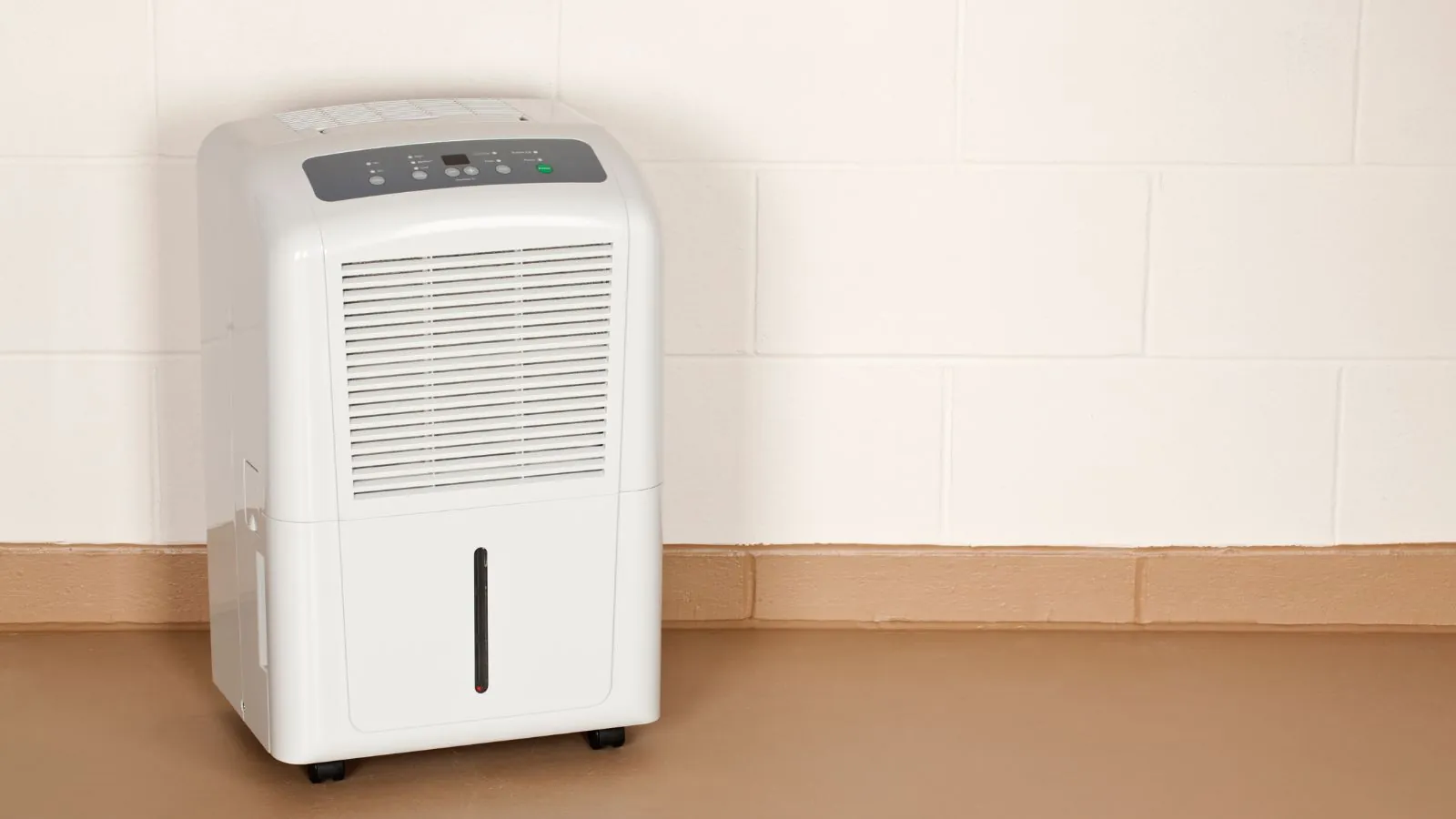
Air readings tell the other half of the story. A dehumidifier that is working shows drier air coming out than going in. If the room air is not getting drier, the materials will not either.
The daily log
Mapping is not done once. On each visit the technician repeats the readings at the same points and records them. Falling numbers show the plan is working. Flat numbers mean something has to change: more equipment, a cavity that needs opening or a source that is still active.
The industry standard for this work, ANSI/IICRC S500, calls for monitoring and documentation through the drying period. You can ask to see the log at any time, and you should receive a copy at the end.
When readings match the dry standard, equipment comes out. That is the finish line, and it is set by measurement, not by the calendar. Our service page on structural drying and dehumidification describes the equipment that does the drying.
Why season matters for readings in Cary
The dry standard in a Cary house is not the same in January as in July. In the 1991 to 2020 federal climate normals, a typical January night bottoms out near 14.5 degrees in Rockford and close to 19 in Chicago, and Cary lies between those two stations. Heated winter air is dry, so wood indoors reads at the low end of its range.
Summer is the reverse. June is Rockford's wettest month in those normals at 5.23 inches of rain, and humid outdoor air raises indoor readings, especially in basements. A technician who knows this takes the dry standard on the day, in your house, and does not rely on a textbook number.
It also explains a rule you may hear during a job: keep the windows closed. Opening them in a humid Cary summer lets in more moisture than the equipment can remove. Source type used here: National Weather Service climate normals pages.
What homeowners can do with this
You do not need to own a meter to benefit. Ask the technician to show you the readings and the dry standard. Ask where the wet boundary is. Ask what the target is and how many days they expect.
- Ask for the map and the log in writing.
- Check that readings are taken at the same points each day.
- Ask what changed if the numbers stall.
- Keep the final log with your insurance and house records.
If you are selling later, a drying log is useful evidence that a past leak was handled properly.
Mapping is also how hidden damage is found after the event that everyone noticed. A pipe break dealt with as described on our burst pipe water damage page often reveals wet areas two rooms away. For local context, see our Fox River Grove page and our Foxford Hills page, where larger floor plans make mapping especially important.
Common Questions
Can I check for moisture myself?
A basic pin or pinless meter from a hardware store can show whether a spot is wetter than a dry area of the same material. It will not replace a full map, but it is a reasonable first check.
Does a thermal camera see water inside a wall?
No. It sees temperature. Wet areas often look cooler because of evaporation, so the camera points to places that should be checked with a moisture meter.
How do I know drying is finished?
When readings in the affected materials match the dry standard taken from unaffected parts of your home. Ask to see both sets of numbers.
Why were my readings in a Cary basement higher in summer than in winter?
Outdoor humidity is much higher in summer here, and basements are cool, so materials hold more moisture. That is why the dry standard is taken in your house on the day of the job.