
The short answer
Homeowners insurance often covers water damage that is sudden and accidental. It often does not cover damage from gradual leaks, poor maintenance or neglect. Flood damage is usually excluded and needs separate flood coverage. Water that backs up through a sewer or drain is typically excluded as well unless you bought an add-on.
Those are general patterns, not promises. Every policy has its own wording, and the only reliable answer for your house is in your own policy. Check it or ask your insurer or agent. We are a restoration company, not an insurance adviser, and nothing here predicts how a claim will be decided.
How insurers usually sort water losses
Adjusters tend to ask three questions. Where did the water come from? How long was it leaking? And did the owner take reasonable steps to stop it and limit the damage?
| Type of water event | How policies commonly treat it | What to check |
|---|---|---|
| Pipe bursts or supply line splits | Often covered as sudden and accidental | Whether the home was occupied and heated |
| Water heater tank fails | Resulting damage often covered, the tank itself usually not | Your deductible and any exclusions |
| Slow drip under a sink for months | Often not covered as gradual damage | How the policy defines continuous or repeated seepage |
| Sewer or drain backup, sump pump overflow | Usually excluded unless an add-on was purchased | Whether you have water backup coverage and its limit |
| River, creek or surface flooding | Usually excluded from a home policy | Whether you carry separate flood coverage |
| Groundwater seeping through the foundation | Usually not covered | Policy wording on seepage |
| Rain through a storm-damaged roof | Often covered when a covered peril opened the roof | Wind and hail deductible |
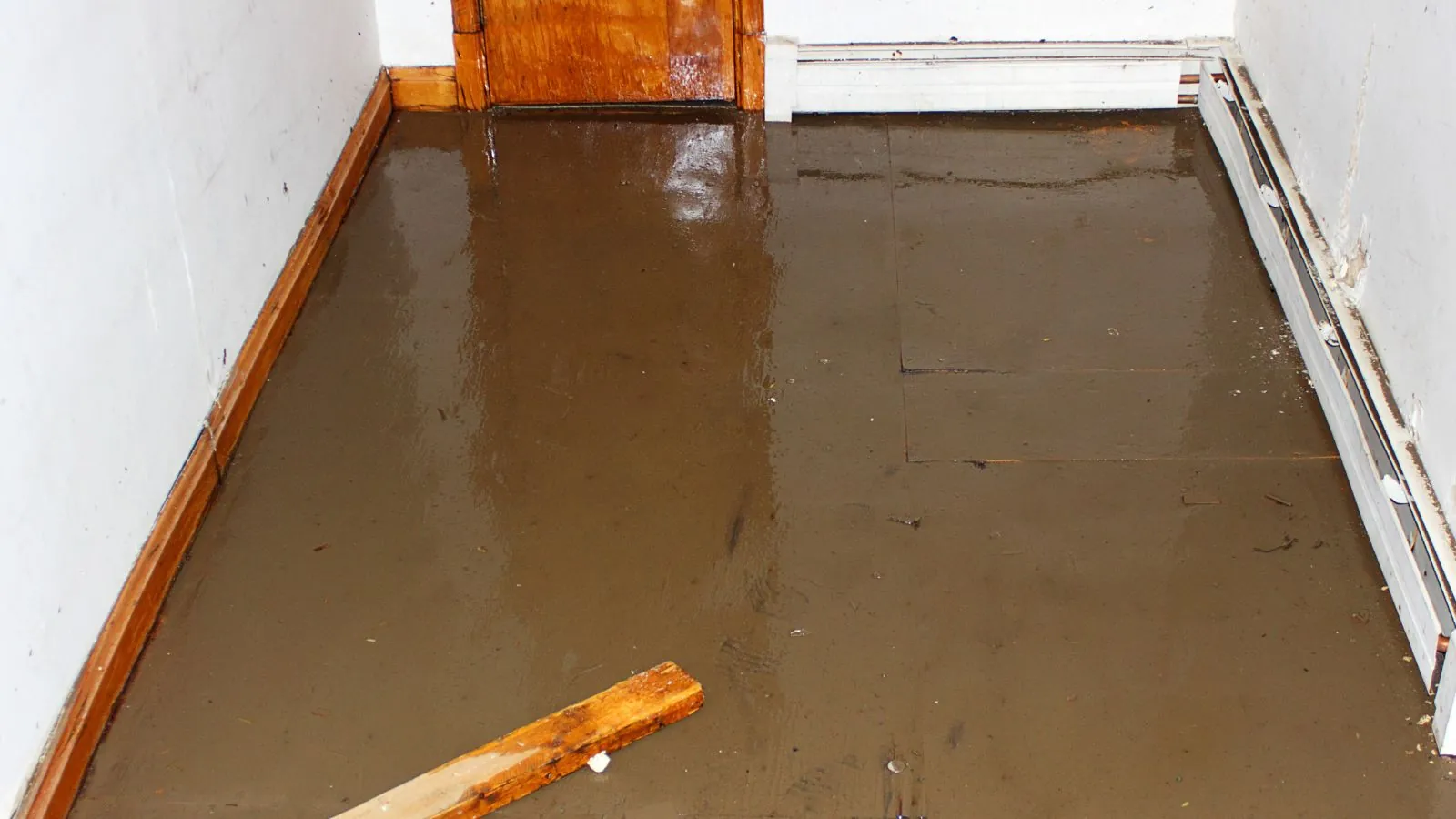
Notice that the same wet basement can fall into four different rows. A basement wet from a split pipe, from a failed sump pump, from a floor drain and from the river are four different insurance questions.
What Illinois and Cary sources say
The Illinois Department of Insurance publishes plain definitions for homeowners. Its glossary says that water seepage is not covered. It describes sewer backup and sump pump overflow coverage as coverage available for an additional premium, and it lists sewer backup and sump pump failure among typical homeowners exclusions.
On flood, the department is direct: standard home insurance policies do not cover flood insurance. It adds that if your property is located on a flood plain, your lender may require you to purchase it.
That matters in Cary because the village sits on the Fox River. The Village of Cary's flooding page points residents to FEMA flood maps and lists the map panel numbers that cover Cary properties. Check the FEMA flood map for your address, since the answer differs from lot to lot. Source types used here: the state insurance department's consumer pages and the village's own website.
Sudden versus gradual: why timing matters
The line between a covered leak and an uncovered one is often time. A connector that splits and floods a kitchen in an afternoon is sudden. The same connector weeping into a cabinet for a year is gradual, and many policies exclude that.
Evidence of long-term moisture can work against a claim. Rot, old staining and layered mineral deposits tell an adjuster the leak was not new. That is one reason to act on small leaks early and keep repair receipts.
It also explains why homeowners are expected to mitigate. Most policies require reasonable steps to prevent further damage after a loss: shutting off the water, removing standing water, starting drying. Ask your insurer how they want that handled and keep every receipt.
The basement question
Basements produce the most confusion, because several exclusions meet there. Seepage through walls is generally excluded. Backup through a floor drain needs the add-on. Overflow from a sump pit usually needs the same add-on. Rising river or surface water needs flood coverage.
If you have a finished lower level, it is worth a phone call to your agent before the next storm. Ask specifically whether you have water backup and sump overflow coverage, what the dollar limit is, and whether it applies to finished walls, flooring and contents.
When a lower level does take water, the cleanup itself is the same whatever the claim outcome. Our page on basement water damage cleanup explains the steps, and sewage backup cleanup covers the contaminated-water case.
What about mold?
Mold coverage is often limited, capped at a low amount or excluded. Where it is covered, it is usually because a covered water loss caused it. A policy that would have paid for a burst pipe may not pay for mold that grew because the wet wall was never dried.
That is another reason to start drying promptly and document it. Ask your insurer what your policy says about fungi or mold, since the wording varies widely.
What to do before you ever need to claim
- Read the water sections of your policy once, in daylight, with no water on the floor.
- Ask your agent about water backup and sump overflow coverage and its limit.
- Ask whether you need flood coverage. Check the FEMA flood map for your address first.
- Find your main water shutoff and make sure it turns.
- Photograph each room and the mechanical area now, so you have a record of the before.
- Keep maintenance receipts for the roof, plumbing and water heater.
If you live across the river, the same questions apply. Our Fox River Grove page covers the river-side risks there, and our Cambria page discusses walkout and English lower levels in one Cary neighborhood.
Common Questions
Does homeowners insurance cover a burst pipe?
Often, yes, when the break was sudden and accidental. The pipe repair itself may be treated differently from the water damage. Check your policy or ask your insurer.
Is a flooded basement covered?
It depends on why it flooded. A split pipe is often covered. Sewer backup and sump overflow usually need an add-on. Seepage and flood are generally excluded from a standard policy.
Will my insurer pay for drying equipment?
Mitigation costs are commonly part of a covered water claim, but only your insurer can confirm that for your policy. Keep the drying log and invoices.
My Cary home is near the Fox River. Do I need flood insurance?
That is a decision for you, your lender and your agent. The Illinois Department of Insurance notes that standard home policies do not cover flood and that lenders may require it on a flood plain. Start by checking the FEMA flood map for your address.